
Economic Abuse: A Call to Collective Action
Economic abuse doesn’t always look obvious from the outside. Common, but inconspicuous tactics include restricting access to bank accounts, spending money without consent, sabotaging work or study, taking out debts in the victim’s name, or withholding child support. Over time, these patterns strip a woman of her financial independence, making it harder and more dangerous to leave. When a partner controls a woman’s ability to access, earn, or manage money, they are robbing her of the financial independence she needs to stay safe.
More than 12,000 women have returned to violent partners because financial instability left them with no alternative (ABS Personal Safety Survey 2016)
Economic abuse erodes women’s financial security long before it becomes visible. Employment rates fall, full-time work becomes unsustainable and income losses accumulate, often forcing extended time away from work. These pressures create impossible choices. More than 12,000 women have returned to violent partners because financial instability left them with no alternative, while 22,600 stayed because the cost of leaving was out of reach (ABS Personal Safety Survey 2016).
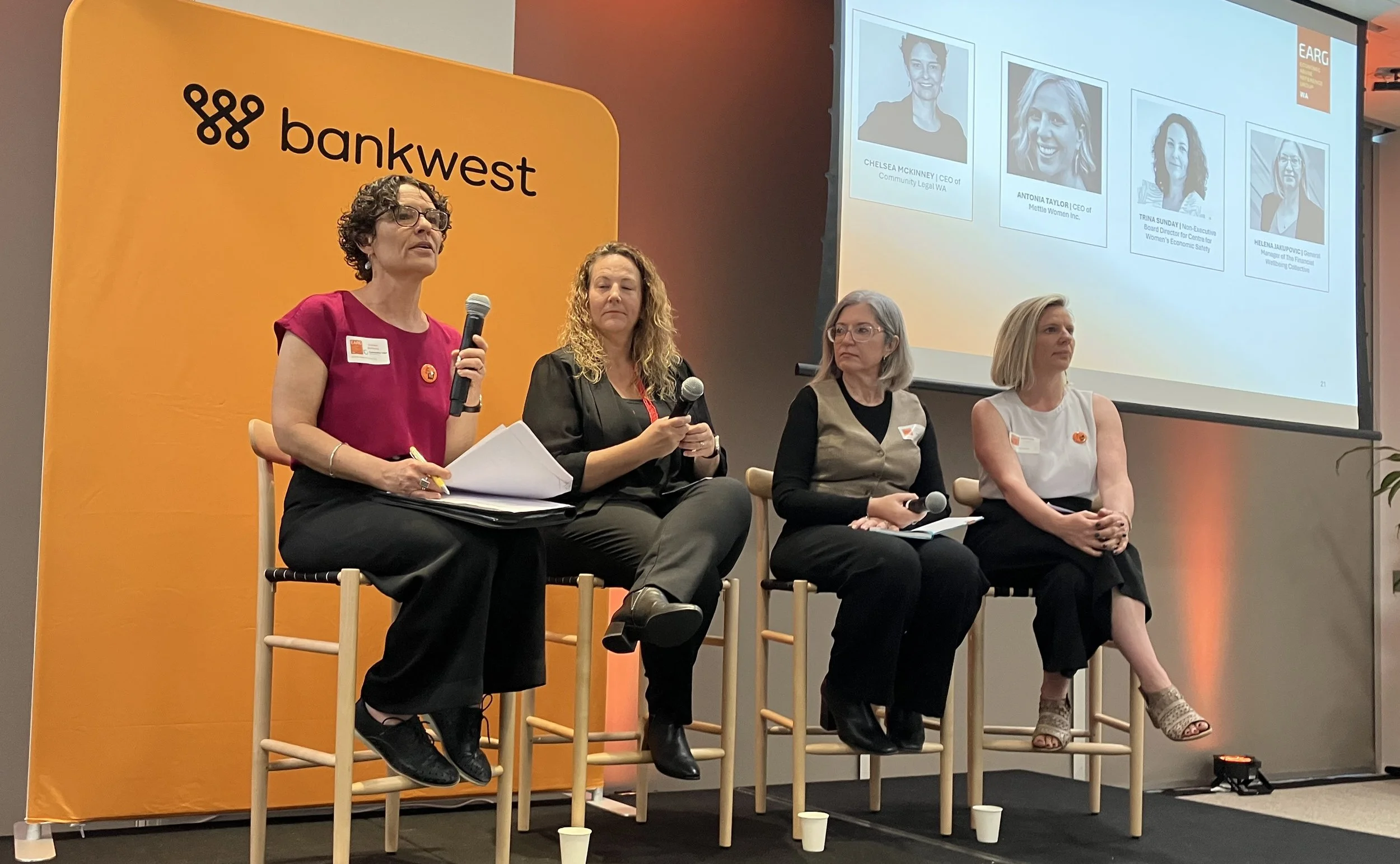
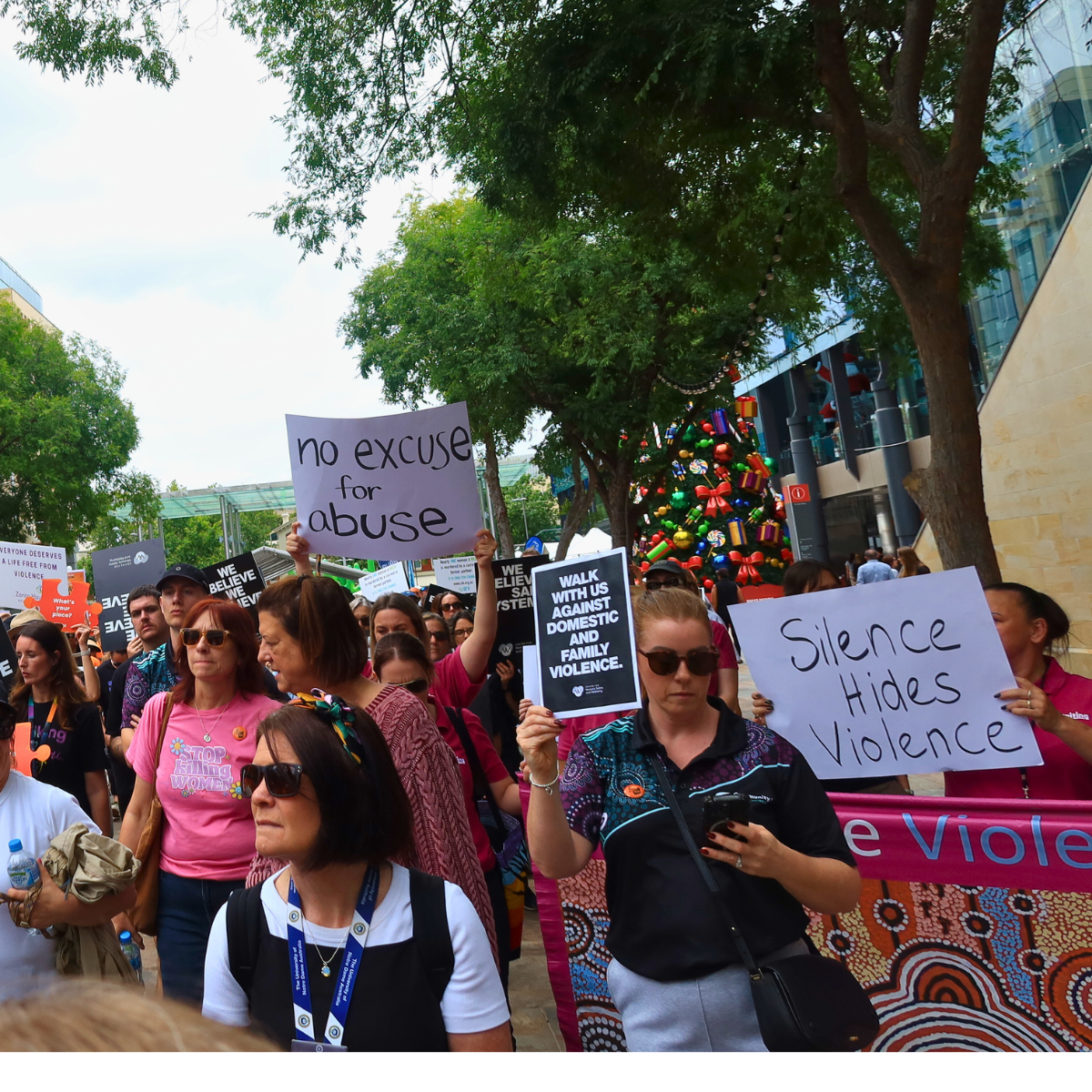
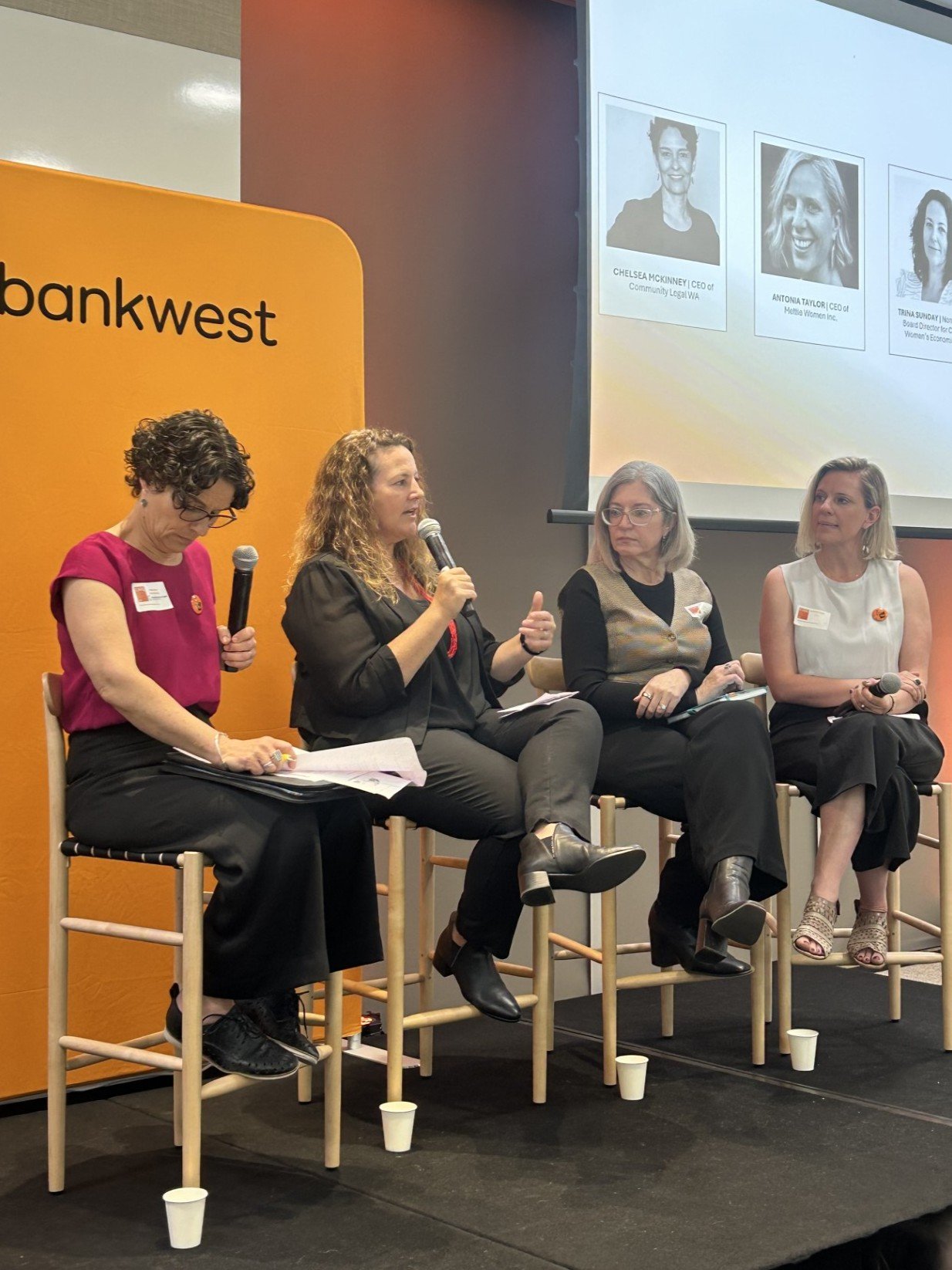
As a Psychology and Gender Studies student interning with Mettle Women Inc., I had the pleasure of attending the 2025 Economic Abuse Awareness Day Breakfast, as a part of WA's 16 days of Activism against Gender-Based Violence campaign. This event brought together various leaders from finance, government, legal, and community sectors, exploring how collaboration can strengthen systems against economic abuse through connection, reflection and collective action.
According to Emma Milne, CEO of Consumer Credit Legal Service, economic abuse is a systematic issue, so a system should be implemented to solve it, exploring the notion that "awareness without action is not enough". She shared a powerful survivor's story, outlining a situation where economic abuse was utilised in the form of court processes as intimidation, weaponised child support payments, and systemic failure through "policies that reward manipulation". The victim-survivor, "Taylor", had to pay "nearly $20 000 just to bring [her] child home", outlining that "freedom isn't free - survivors pay for every inch of it." Hearing Taylor's story touched the hearts of the audience, personifying the real-life struggle that many women face every single day.
Leading a panel discussion, Chelsea McKinney, CEO of Community Legal WA, built on Milne’s definition, underscoring that economic abuse “does not discriminate,” noting its presence across postcodes, income levels and communities. She also touched on the 16 Days of Activism headline "Believe", expressing sadness that the credibility of survivors' stories is still being questioned, or systematically ignored. She explains that "policy design can close the gaps, or it can widen them", reiterating the importance of a collaborative, "trauma informed" and "open minded" approach towards policy design.
"59% of women in the program were [previously] not allowed to access their own bank accounts." Antonia Taylor, CEO Mettle
Panelist and Mettle's CEO Antonia Taylor outlined their employment program’s economic recovery model, exploring the barriers and challenges that survivors face when seeking employment following economic abuse. This allowed Taylor to delve into the work Mettle does as a "work integrated social enterprise", where "59% of women in the program were [previously] not allowed to access their own bank accounts." Mettle is a unique workplace, providing a "bespoke experience" for women fleeing violence by "meeting them where they're at." Taylor really spoke to the value of a "trauma informed workplace", touching on the personal connection and trust that is formed with the program participants. Regarding future actions that workplaces can take, Taylor stressed the importance of communication and education across different sectors, as well as the importance of working with employers to create safe working environments for women escaping economic abuse.
"Economic abuse is not a private issue, workplaces are often the only safe places a woman has" Trina Sunday, Board Director for Centre for Women's Economic Safety
The Board Director for Centre for Women's Economic Safety Trina Sunday outlined the importance of specialised resources with specific training and trauma conscious practices to improve the "weaponised" and "fragmented services". Sunday outlined what executive teams need to understand regarding economic abuse, highlighting that "economic abuse is not a private issue" and the fact that "workplaces are often the only safe places a woman has". She explains that only 20% of women know where to find information regarding domestic abuse, and only 44% of those women actually access the help they need. She also champions some practical solutions that businesses can employ, stating that “if we know that women need help, there’s no reason for every intranet to not have some form of support”, accentuating the importance of "warm referral pathways" that provide multifaceted and trauma-informed support. Sunday notes “the expert in knowing exactly what needs to be done is the woman experiencing the abuse herself”, further highlighting the importance of autonomy and agency when interacting with economic abuse trauma.
"Wrap-around support" and multifaceted and updated services are essential for recognising economic abuse according to Helena Jakupovic, General Manager of The Financial Wellbeing Collective. She explains that "tact and diplomacy" are required when investigating such a sensitive issue, referring to the "economic abuse wheel" as a good resource for distinguishing abuse. The biggest sign of economic abuse is someone having no assets, but holding a lot of debt in their name. Jakupovic urges the audience to look out for spending and access restrictions, lack of knowledge of a partner's income details, as well as a lack of confidence in their own financial and monetary decisions that highlights the low self esteem that stays with survivors even after leaving a violent situation. Jakupovic highlights the importance of mandated economic abuse safeguards in policy making, as well as a call for increased ATO involvement in the regulation of child support payments as well as "more structured debt waivers", ensuring that perpetrators are held accountable for patterns of abuse and mistreatment.
Milne returned to the stage to thank the panel and close the seminar, leaving the audience with a final nugget of wisdom, stating that “real momentum comes from you, this is the moment we move from awareness to action," addressing the importance of individual commitment to large-scale changes.
My Key Takeaways
My biggest takeaway from this event, as well as some other events centred around the 16 Days of Activism, was the emotional weight of the conversations unfolding across the room. After engaging with several FDV-focused events this week, I was reminded of how deeply economic abuse is tied to broader patterns of control and harm. The stories shared were a call to action, illustrating that awareness must lead to advocacy in order to inspire change. Real progress depends on a community willing to listen to survivors, push for systemic reform and participate in the ongoing work of dismantling the structures that allow this violence to continue. It is an honour to be a part of such an important social change, and I hope that with the assistance of organisations like Mettle, women can step into a future that is free from violence and control.
This piece was authored by Libby Nelson, a Psychology and Gender Studies student contributing to Mettle’s communications and community fundraising projects as part of her internship.
